

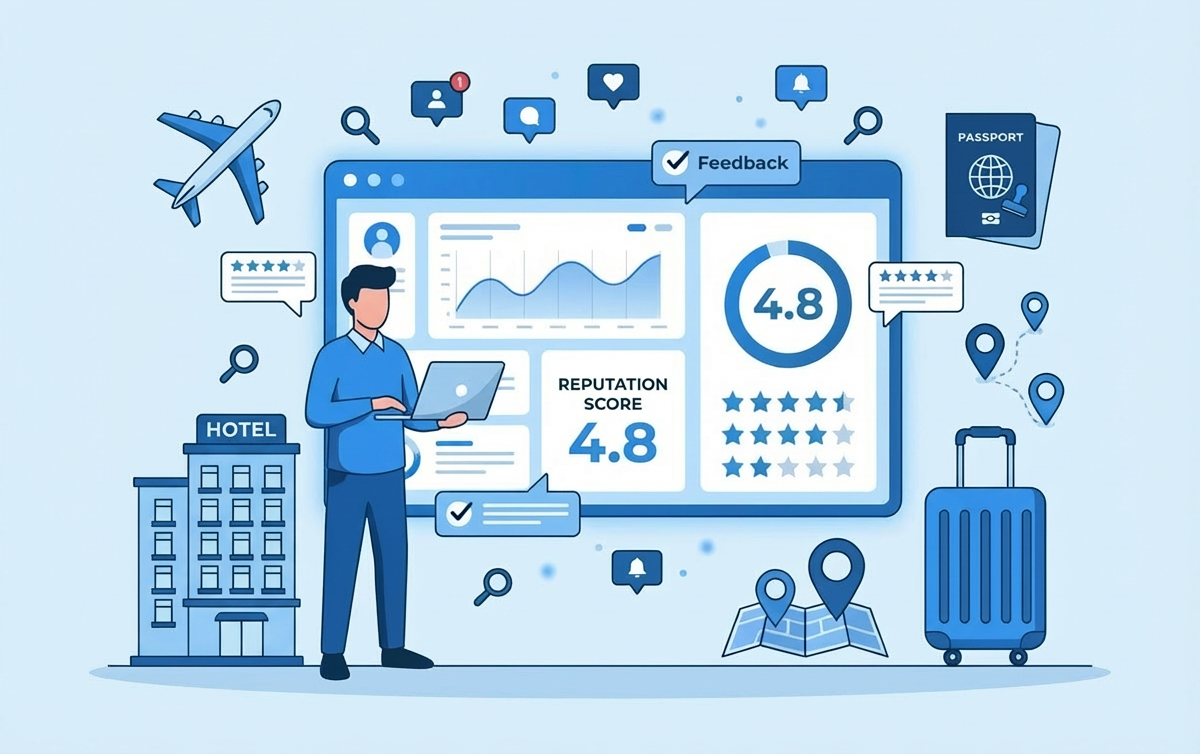
Why travelers trust reviews more than ads — and how smart brands turn that trust into bookings
Most people don’t start planning a trip because of flashy ads or polished marketing. Instead, they get curious and start researching on their own. Someone might look up destinations late at night and see what others have said. They read reviews, compare ratings, look at traveler photos, and check social media comments. In just a few minutes, they begin to form opinions about whether a hotel, airline, cruise line, or tour company is trustworthy enough to book.
This shift in traveler habits has changed how tourism businesses attract customers. People no longer rely only on brand promises. They want to hear from other travelers who have already used the service. A few good reviews can build interest and trust, but ignored complaints or mixed feedback can make people think twice. Often, a traveler’s final decision is based on one question: Do other people trust this brand?
That’s why reputation management matters so much in travel. It’s not just about handling negative feedback. Now, it’s a key part of travel marketing. Hotels, airlines, tour operators, and travel agencies all rely on strong online credibility to shape how customers see them and to build trust in their services.
When done right, reputation management helps businesses shape how people see their brand on search engines, review sites, and social media. Instead of only reacting to feedback, successful travel brands guide the conversation by asking for honest reviews, responding to traveler concerns, and sharing positive experiences. This ongoing interaction shows reliability and transparency, which travelers really value when planning a trip.
Technology also makes this process easier. Tools like TypeHero.ai help travel companies analyze customer feedback, spot patterns in reviews, and create content that creates trust. AI insights show marketers what travelers like most and what concerns need attention. This information can improve messaging, service quality, and highlight real traveler experiences that connect with future customers.
A strong reputation strategy does more than protect a brand’s image. It gets the brand in search results more often, encourages traveler engagement, and improves advertising results. When people see constant positive reviews and thoughtful replies, they trust the brand and book trips.
Reputation has become one of the most valuable marketing tools in tourism. Travelers want to feel confident before booking, and online feedback gives them that confidence in a clear, relatable way. Brands that manage their reputation well do more than just reply to reviews; they build real relationships with their customers and show that each traveler’s opinion matters.
In the end, travel reputation management helps tourism companies monitor conversations, build credibility, and influence bookings through real social proof. By responding to feedback, improving their online content, and regularly sharing positive traveler experiences, travel brands build trust and credibility. Over time, this trust leads to stronger relationships, more repeat bookings, and long-term achievement in a competitive travel market.
Why reputation shapes every travel decision today
The travel industry runs on trust. Travelers often spend hundreds or thousands of dollars before ever experiencing a service. Naturally, they want reassurance first.
That reassurance usually comes from tourism business reviews, ratings, and testimonials. A hotel with thousands of positive reviews feels safe. One with inconsistent feedback raises doubts.
In fact, studies show that more than 90% of travelers read online reviews before booking. Platforms such as TripAdvisor and Google have become decision-making hubs where travel brand credibility is constantly evaluated.
So what exactly is reputation management in travel?
Simply put, it’s the process of:
- Monitoring customer feedback
- Responding to reviews
- Underlining positive experiences
- Addressing negative perceptions
But there’s a deeper question many travel businesses ask:
People Also Ask:
Why is online reputation so important in tourism?
Because travelers rarely know the brand personally. Reputation becomes the substitute for firsthand experience. When buyer trust in tourism grows through positive reviews and candid communication, bookings come naturally.
For travel brands operating in competitive destinations, strong reputation signals can mean the difference between a full booking calendar and an empty one.
5 reputation mistakes travel brands still make (and how to avoid them)
Even successful travel businesses sometimes mishandle their online reputation. Small mistakes can quietly weaken trust over time.
Here are some of the most common ones.
- Ignoring negative reviews: Many businesses hope negative comments will disappear when ignored. Unfortunately, silence often looks like indifference. Responding respectfully shows professionalism and accountability.
- Responding defensively: Travelers understand that problems happen. What they don’t appreciate is an argumentative response from a brand. A calm explanation and a solution-focused reply often rebuilds trust.
- Treating reviews as isolated feedback: Reviews aren’t just complaints or compliments; they are data. Patterns in feedback reveal operational issues or opportunities for improvement. According to research published by Harvard Business School, even a one-star increase in rating can raise revenue by 5 to 9 percent for hospitality businesses. Insights like these highlight why reputation monitoring matters.
- Not encouraging happy customers to leave reviews: Happy travelers rarely think about leaving reviews unless prompted. Businesses that gently welcome feedback gain a steady flow of positive testimonials.
- Lack of strategic reputation tools: Manual monitoring across dozens of platforms can quickly become overwhelming. Solutions like TypeHero.ai help travel brands track conversations, create trust-building content, and strengthen their online reputation management.
When handled correctly, even negative feedback becomes an opportunity to demonstrate honesty and commitment to consumer satisfaction.
The surprising benefits of a strong travel brand reputation
Many travel companies treat reputation management as damage control. In reality, it’s a powerful marketing advantage.
A strong travel brand reputation influences everything from search rankings to direct bookings.
First, positive reviews improve visibility. Search engines regularly prioritize businesses with strong ratings and steady engagement.
Second, trust shortens the decision cycle. Travelers don’t spend hours comparing options when one brand is clearly the most prominent, with glowing reviews.
Third, reputation drives repeat customers. Travelers who are listened to and respected are more likely to return.
Consider a boutique resort that consistently responds to guest feedback. Over time, their review section becomes a living conversation with customers. Future travelers see that interaction and feel confident booking.
This is where hospitality reputation management connects directly to business growth. A trustworthy brand attracts attention, encourages bookings, and builds long-term loyalty.
And when reputation efforts are supported by AI-powered insights — such as those offered by TypeHero.ai — firms can scale them efficiently.
6 practical ways to strengthen reputation and social proof
Building trust in the travel industry rarely happens instantly. It develops gradually via consistent actions, honest communication, and positive guest experiences shared over time. Travelers are naturally cautious when planning a trip because they’re investing both money and expectations into something they haven’t experienced yet. That’s why strong reputation and social proof play such a powerful role in directing their decisions.
For travel brands, building a strong reputation isn’t about one viral review or a quick wave of good publicity. It comes from steady, thoughtful work that shows customers the business is reliable, responsive, and truly cares about traveler satisfaction. Hotels, airlines, resorts, and tour companies that manage their reputation well usually earn more trust, better reviews, and more bookings. Take your reputation strategy to the next level by reviewing your current practices, applying these strategies, and building greater trust with your travelers today.
Travel brands looking to strengthen their credibility and visibility often start with a few practical strategies.
- Monitor feedback platforms regularly: Reputation management begins with awareness. Travel businesses should regularly monitor major feedback platforms, booking sites, and social media channels where travelers share their experiences. By tracking feedback across these spaces, firms can respond quickly to concerns, thank satisfied customers, and demonstrate their commitment to guest feedback. Even a clear acknowledgment of feedback can leave a positive impression on future travelers reading the reviews.
- Promote genuine customer reviews: Many content travelers simply move on after their trip without leaving feedback. That’s why it’s helpful to gently encourage reviews after positive experiences. A subsequent email, a courteous reminder during checkout, or a short message thanking guests for their visit can motivate travelers to share their thoughts online. Honest feedback helps build a steady stream of authentic reviews, strengthens credibility, and helps potential customers feel more confident about booking.
- Highlight real traveler stories: People trust real experiences far more than marketing claims. Sharing authentic testimonials, guest photos, and personal travel stories can create a more profound emotional connection with potential customers. When travelers see others enjoying a destination, relaxing at a resort, or praising exceptional service, the brand suddenly feels more real and understandable.
- Address negative feedback quickly and professionally: Even the best travel businesses occasionally receive negative reviews. What’s most important is hows how the business responds. A timely, respectful reply shows accountability and professionalism. Instead of ignoring criticism, openly addressing concerns demonstrates the company’s commitment to improving guest experiences. In many cases, thoughtful responses can even turn unhappy guests into loyal customers.
- Create reputation-focused content: Content also plays an important role in building trust. Blog posts, travel guides, helpful tips, and destination insights can reinforce a brand’s expertise while offering value to travelers. When potential customers encounter informative, well-written content from a travel brand, it strengthens their perception of the company as knowledgeable and reliable.
- Use AI tools to analyze sentiment and trends: Modern technology has made reputation management far more efficient. AI-powered tools can analyze thousands of reviews across multiple platforms, identifying patterns in customer feedback that might otherwise remain unnoticed. This data helps travel businesses understand what travelers appreciate most, where improvements may be needed, and how messaging can be refined to reflect real guest experiences.
For travel businesses serving international audiences, cultural awareness is crucial. Travelers from different regions often value different aspects of the experience. Some may value safety and cleanliness, while others focus on local authenticity, service quality, or convenience. Perceiving these differences allows travel brands to adapt their messaging and service approach appropriately. By coordinating reputation strategies with traveler expectations and consistently highlighting authentic guest experiences, travel brands can steadily strengthen their credibility. Over time, efforts contribute to greater social proof, improved visibility across feedback platforms, and a deeper sense of trust among potential customers. Ultimately, this ongoing devotion to transparency and responsiveness helps businesses build enduring customer trust in the tourism industry.
What travel experts know about reputation that most brands overlook
Industry experts regularly emphasize one overlooked truth: reputation is built through consistency, not perfection.
Even the best travel businesses receive occasional negative reviews. What is most important is how they respond.
For example, a small travel company noticed recurring comments about slow response times to inquiries. Instead of ignoring the feedback, they adjusted their communication process and responded publicly to reviews explaining the improvement.
Within months, newer reviews began highlighting faster responses and better service.
That simple change strengthened the company’s travel brand credibility.
Experts also recommend combining reputation management with strong storytelling. Sharing traveler experiences, destination insights, and insider content creates a richer brand narrative.
TypeHero.ai helps travel marketers transform these insights into engaging content that boosts trust across blogs, social channels, and marketing campaigns.
In short, reputation management isn’t simply about fixing problems. It’s regarding shaping the story travelers tell about your brand.
Key reputation strategies every travel brand should remember
The most successful travel companies know that reputation management is not just for when problems come up. It is a continuous, strategic process that forms every part of a brand’s relationship with travelers. Instead of only reacting to negative reviews or complaints, top travel brands actively build trust, engagement, and credibility across all digital channels. By taking this approach, these companies turn reputation management into a powerful way to drive bookings, customer loyalty, and long-term brand strength.
Multiple essential principles consistently distinguish high-performing travel brands. First, they monitor feedback continuously. In today’s fast-moving digital landscape, waiting days or even weeks to respond can make minor issues seem neglected, quickly eroding trust. By keeping a watchful eye on major feedback platforms, social media channels, and travel forums, brands stay aware of customer sentiment and are ready to reply quickly.
Second, they treat every review as a conversation. Travelers are increasingly seeking genuineness and transparency, and they notice when brands interact respectfully and authentically. Responding to both positive and negative feedback with thoughtful, personalized messages signals that the business appreciates customer input and takes their experiences seriously. This two-way interaction not just strengthens individual relationships but also enhances the brand’s perception as accessible and attentive.
Third, high-performing brands highlight social proof across marketing channels. Positive reviews, testimonials, user-generated content, and real traveler stories shouldn’t be confined to a single page or platform. Instead, they should be integrated naturally across websites, social media, email campaigns, and other content marketing efforts. Consistently communicating these experiences reinforces credibility and demonstrates to potential customers that the brand delivers on its promises.
Finally, successful travel companies use reputation insights as part of their larger marketing strategies. Reputation data is not just for handling complaints; it shows what travelers value most about a brand. Patterns in feedback reveal strengths to highlight, areas to improve, and opportunities to tell stories. By using this information, companies can shape future campaigns, create content that connects, and make sure every marketing effort reflects real traveler experiences.
When travel businesses combine online reputation management with good storytelling, considerate engagement, and lucid communication, they do more than just protect their brand. They build a brand that feels trustworthy, transparent, and real. Over time, this approach develops a stronger online presence, drives repeat bookings, and helps the brand stand out in a packed travel market. By making reputation a key part of their marketing, travel companies can turn everyday customer interactions into lasting growth and loyal travelers.
Why Choosing TypeHero.ai Is the Smart Choice for Travel Reputation Success
We at TypeHero.ai believe that trust is the foundation of every successful travel brand. In an industry where travelers often make decisions based entirely on what they see online, reputation and visibility can shape whether someone books a trip or keeps searching. That’s why our goal is to help travel businesses build credibility and maintain a strong, positive presence across the digital channels where travelers are actively researching their next destination.
Reputation isn’t simply about collecting a few positive reviews. It’s about the entire online experience travelers encounter when they discover your brand. From the way you present your content to how you respond to customer feedback, every interaction contributes to how people perceive your business. An insightful reply to a review, a helpful travel guide on your website, or a skillfully crafted social media post can all reinforce the impression that your brand is reliable and attentive to travelers’ needs.
Our specialized AI tools are designed to make that process easier and more effective for travel companies. With TypeHero.ai, firms can analyze traveler feedback, observe patterns in customer sentiment, and understand what guests really value about their experiences. These data allow brands to improve their messaging, highlight their strengths, and address concerns before they grow into larger reputation issues. Instead of reacting to feedback after it appears, firms can take a preemptive approach to strengthening their reputation.
We also focus heavily on helping travel brands create engaging and trustworthy content. Content plays a critical role in shaping how travelers perceive a brand, especially during the early stages of trip planning. Through AI-powered content creation and analysis, our platform helps businesses produce travel articles, destination insights, and marketing materials that feel authentic and informative. This approach improves visibility in search results and builds confidence among travelers evaluating their options.
Consistency is another key part of reputation management. Travelers interact with brands on many platforms, such as search engines, review sites, social media, and travel forums. When messaging and brand voice stay consistent across these channels, the brand feels more professional and reliable. At TypeHero.ai, we help businesses keep that consistency while still allowing flexibility in tone and manner so their communication stays real and appealing.
Our platform also makes it easier to highlight social proof, which is one of the strongest influences on booking decisions. By showcasing real traveler experiences, positive feedback, and authentic stories, travel businesses can demonstrate the value of their services in a way that resonates with potential customers. These instances of mutual experience help future travelers imagine themselves enjoying the same journey, making the decision to book feel far more comfortable.
At TypeHero.ai, we take pride in delivering cutting-edge solutions tailored specifically to the travel industry. We understand the unique challenges travel brands face in managing reputation, engaging global audiences, and maintaining credibility in a competitive environment. Our tools are intended to simplify these problems and help businesses establish stronger connections with travelers around the world.
If you’re looking to strengthen your digital presence and create enduring trust with your audience, we’re here to help. Contact TypeHero.ai today to boost your digital strategy and refine your travel reputation management approach. With the right tools and understanding, your brand can build stronger relationships with travelers, increase visibility across platforms, and achieve long-term success in the evolving travel marketplace.